

 Sasha Campbell
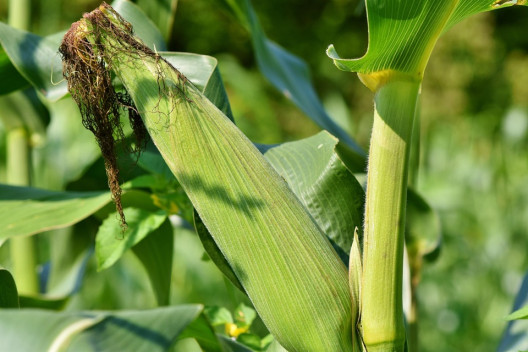
Corn is one of those crops that feels right at home in a backyard garden. Under the right growing conditions, it grows tall and produces generously.
If you want your corn to thrive even better, companion planting can make a big difference.
The right plant neighbors can improve growth, deter pests, and even boost your harvest. However, some plants may compete for nutrients or attract harmful insects.
In this guide, we will explore the best and worst corn companion plants.
Good Corn Companion Plants
Choosing the right companions for corn can help create a healthier, more productive garden. Here are some of the best plants to grow alongside it:
Beans
Among the three sisters planting method, beans are one of the most famous corn companions.
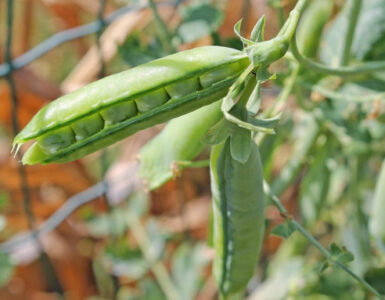
They fix nitrogen in the soil, which corn needs to grow strong. Plus, they can climb up corn stalks, saving space.
Squash
Squash spreads across the ground, acting like a living mulch. It helps keep weeds down and retains soil moisture, which benefits corn.
Cucumbers
Cucumbers also grow well near corn and benefit from the partial shade provided by the tall stalks.
Pumpkins
Like squash, pumpkins cover the soil, help prevent weeds, and keep moisture locked in.
Melons
Melons also help protect corn from weeds and help prevent moisture loss from the soil.
Sunflowers
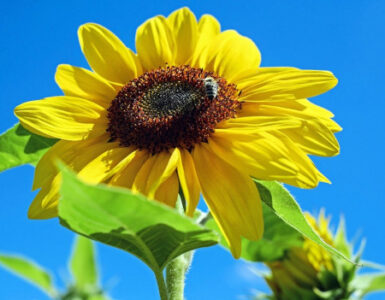
Sunflowers can act as a windbreak for corn and attract pollinators.
Dill
Dill attracts beneficial insects, such as ladybugs and parasitic wasps, that prey on common corn pests.
Basil
Basil also grows well with sweet corn. It can help repel insects, such as weevils.
Marigolds
Marigolds are known for repelling root-knot nematodes and other soil pests [1].
Nasturtiums
These bright flowers act as a trap crop, attracting aphids and keeping them away from your corn.
Other good companions for corn include peppers, garlic, potatoes, onions, and rosemary.
What Not to Plant with Corn
Just as some plants help corn, others can cause problems. Avoid planting these near your corn:
Tomatoes
Tomatoes and corn attract similar pests, such as the corn earworm (also called the tomato fruitworm). They will also compete for nutrients.
Brassicas (like cabbage and broccoli)
These heavy feeders compete with corn for soil nutrients.
Fennel
Fennel is known to inhibit the growth of many plants, including corn.
Celery
Celery competes with corn for nutrients and doesn’t grow well near it. Corn also provides too much shade, which celery does not need.
Asparagus
Asparagus and corn compete for space. Corn can also attract pests that can harm your asparagus.
Eggplant
Eggplant is also a bad companion for corn, as it may attract tomato hornworms and compete for nutrients.
How to Grow Corn
Growing corn is fairly straightforward, but it does require some planning. Corn loves full sun, so choose a spot that gets at least 6 to 8 hours of sunlight daily.
It grows best in well-draining, fertile soil with plenty of organic matter.
Instead of planting in a single row, plant corn in blocks or clusters. This helps with pollination since corn is wind-pollinated.
Additionally, space the plants about 8–12 inches apart, with rows about 2–3 feet apart. Corn seeds should be planted about 1–2 inches deep.
Fertilizer Requirements
Corn is a heavy feeder, meaning it needs a lot of nutrients to grow properly.
It especially needs nitrogen, phosphorus, and potassium. These nutrients support strong stalks, healthy leaves, and robust cobs.
Before planting, enrich your soil with compost or well-rotted manure. As the corn grows, you can also side-dress with a balanced fertilizer when the plants are about knee-high.
Watering Needs
Corn needs consistent moisture to thrive. Aim to provide about 1–1.5 inches of water per week.
Deep watering is better than frequent shallow watering. This method encourages stronger root development, resulting in healthier plants.
Dry conditions can lead to poor pollination and smaller ears. Therefore, it’s important not to let the soil dry out completely.
Pests That Affect Corn
Corn can attract a variety of pests, and keeping an eye out early can save your crop.
Common pests include corn earworms, cutworms, aphids, and corn borers [2]. These insects can damage leaves, stalks, and ears, reducing your harvest.
You can control these pests naturally. Introduce beneficial insects, use neem oil sprays, or plant companion plants like marigolds and dill.
Plant Diseases
Corn can also be affected by several diseases, including corn smut, rust, and leaf blight [3]. To help prevent them, space your plants properly, avoid overhead watering, and rotate crops each season.
Removing infected plants quickly can also help stop the spread. Healthy soil and good garden hygiene are also excellent defenses against disease.
Where to Buy Seeds
Corn seeds are easy to find both locally and online. You can check garden centers or agricultural supply shops in your area.
Farmers’ markets often have local seed varieties. These seeds usually thrive better in your climate.
Online seed companies also provide a wide range of options, including sweet corn, field corn, and heirloom varieties.
Takeaway
Companion planting is a simple but powerful way to improve your corn harvest.
By pairing corn with helpful neighbors like beans, squash, and marigolds, you create a more balanced and productive garden.
At the same time, avoiding poor companions like tomatoes and fennel helps prevent unnecessary problems.




Add comment