

 Sasha Campbell
Sweet potatoes and regular potatoes are popular in kitchens worldwide. Both are tasty, filling, and easy to cook. You can bake, boil, roast, or mash them. They also work well in many different meals.
However, sweet potatoes and regular potatoes are not the same. They come from different plant families and have different nutrients. They also differ in taste, color, and texture.
So, when comparing sweet potatoes vs. regular potatoes, which one is healthier? Is one better than the other?
Let’s look at their main differences, health benefits, and best uses to help you decide.
What Is the Difference Between Sweet Potatoes and Regular Potatoes?
The first big difference is that sweet potatoes and regular potatoes come from different plant families.
Sweet potatoes belong to the morning glory family. Their scientific name is Ipomoea batatas. They grow underground as large, edible storage roots.
Regular potatoes belong to the nightshade family. Their scientific name is Solanum tuberosum. They grow underground as tubers. A tuber is a thick, underground stem that stores food for the plant.
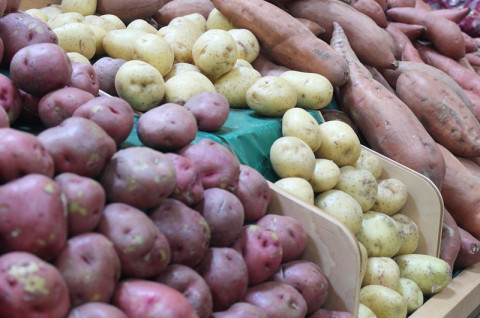
Sweet potatoes can have orange, white, yellow, or purple flesh. Their skin can also come in different colors.
Regular potatoes are usually white, yellow, red, or brown on the outside. Their flesh is often white or yellow.
Another difference is their taste. Sweet potatoes have a naturally sweet flavor. Regular potatoes have a mild, earthy taste.
Sweet Potato vs. Potato: Nutritional Differences
Both vegetables provide important nutrients. However, some nutrients differ in amount.
Sweet potatoes, especially orange-fleshed varieties, are rich in beta-carotene. The body changes beta-carotene into vitamin A. This vitamin helps support healthy vision, skin, and the immune system.
Regular potatoes also provide important nutrients, including potassium, vitamin B6, and vitamin C.
Here is a nutritional comparison of 100 grams of baked sweet potato flesh and baked regular potato flesh, without added salt.
Sweet Potato vs. Regular Potato Nutrition
| Nutrient | Sweet potato | Regular potato |
| Calories | 90 | 93 |
| Carbohydrates | 20.7 g | 21.6 g |
| Fiber | 3.3 g | 1.5 g |
| Potassium | 475 mg | 391 mg |
| Vitamin A | 961 mcg RAE | Almost none |
| Vitamin B6 | 0.29 mg | 0.30 mg |
| Vitamin C | 19.6 mg | 12.8 mg |
Values are approximate and based on USDA FoodData Central records for baked sweet potato flesh and baked regular potato flesh. They are provided per 100 grams of edible food. [1][2]
As you can see, both vegetables have similar calories and carbohydrates when compared by weight.
In these USDA food records, sweet potatoes provide more fiber, potassium, vitamin A, and vitamin C. Regular potatoes provide slightly more vitamin B6.
These figures vary by variety and cooking method. Leaving the skin on, boiling, roasting, or adding other ingredients can change the final nutritional content.
Health Benefits of Sweet Potatoes
Sweet potatoes provide several nutrients that help keep the body healthy.
They Support Eye Health
Orange sweet potatoes contain beta-carotene. The body uses this nutrient to make vitamin A.
Vitamin A helps the eyes work well, especially in low light. It also helps keep the surface of the eye healthy.
They Support the Immune System
Sweet potatoes contain vitamin A and vitamin C. These nutrients help the immune system work properly.
A healthy immune system helps the body fight germs and infections.
They Provide Fiber
Sweet potatoes contain dietary fiber. Fiber helps food move through the digestive system and supports healthy bowel movements.
It can also help you feel full after eating. Eating the skin can provide additional fiber, too.
They Contain Antioxidants
Sweet potatoes contain natural plant compounds called antioxidants. These compounds help protect the body’s cells from damage.
Orange varieties contain beta-carotene, while purple varieties contain plant compounds called anthocyanins.
Health Benefits of Regular Potatoes
Regular potatoes also offer many health benefits. They are more than just a source of carbohydrates.
They Provide Potassium
Potatoes are a source of potassium. This mineral helps the body maintain normal blood pressure and supports muscle and nerve function.
Getting enough potassium is important for good health.
They Provide Energy
Regular potatoes contain carbohydrates. The body breaks down these carbohydrates into glucose, which it uses for energy.
This makes potatoes a useful food for daily activities.
They Contain Vitamin B6
Vitamin B6 helps the body use protein and supports normal brain function. Potatoes provide some of this important vitamin.
They Provide Fiber
Potatoes contain dietary fiber, including fiber in the skin. Eating a potato with its skin can help you get more of this nutrient.
Fiber supports digestion and can help you feel satisfied after a meal.
Which Potato Is Better for Weight Loss?
If you are trying to manage your weight, both sweet potatoes and regular potatoes can fit into a healthy eating plan.
Neither vegetable automatically causes weight gain. Both are naturally low in fat and contain water and fiber, which can help you feel full.
However, how you prepare them matters.
For example, a baked or boiled potato is usually a better choice than deep-fried potato chips. Adding large amounts of butter, cheese, oil, or cream can also increase the calories in either vegetable.
Sweet potatoes are sometimes seen as the better choice for weight loss. However, they are not always lower in calories than regular potatoes.
The best option is to watch serving sizes and choose simple cooking methods most of the time.
Which Potato Has a Lower Glycemic Index?
The glycemic index (GI) is a way of ranking foods based on how they affect blood sugar compared with a reference food, usually glucose.
Foods with a higher GI tend to raise blood sugar more quickly. However, the GI does not tell the whole story. The amount you eat and what you eat with it also matter.
Some people believe sweet potatoes always have a lower GI than regular potatoes. However, this is not always true.
The GI of potatoes can change depending on the variety and how you cook them. Boiling, baking, mashing, and cooling can affect how the body digests their starch.
Cooling cooked potatoes can increase resistant starch. This type of starch is not digested the same way as regular starch. It may help reduce the blood sugar response, although the effect can vary depending on the potato and how it is prepared. [3]
If you need to manage your blood sugar, watch your portion sizes. You can also enjoy potatoes with foods that provide protein, healthy fats, and fiber.
Sweet Potato vs. Potato: Which Is Better for Cooking?
Both vegetables are easy to prepare. However, their different flavors make them useful for different dishes.
Sweet potatoes have a sweet taste that works well in both sweet and savory meals.
You can use them to make:
- Sweet potato fries
- Mashed sweet potatoes
- Sweet potato soup
- Roasted sweet potatoes
- Sweet potato pie
- Sweet potato pancakes
Regular potatoes have a mild taste. This makes them easy to use in many different meals.
You can use them to make:
- Mashed potatoes
- Potato salad
- Baked potatoes
- Potato soup
- Roasted potatoes
- Homemade potato wedges
You can also add both vegetables to stews, casseroles, and other vegetable dishes.
Can You Eat Sweet Potatoes and Regular Potatoes Every Day?
Most people can enjoy sweet potatoes and regular potatoes regularly as part of a balanced diet. However, it is important to eat other vegetables and foods too. This helps your body get a wider range of nutrients.
Sweet potatoes and regular potatoes provide carbohydrates, vitamins, minerals, and fiber. But they don’t provide every nutrient your body needs.
Enjoy them with vegetables, beans, fish, eggs, or other protein sources.
It is also important to store and prepare regular potatoes safely. Potatoes exposed to light may develop green patches and higher levels of natural compounds called glycoalkaloids. These compounds can be harmful when eaten in large amounts.
Cut away small green or damaged areas if the rest of the potato is firm and healthy. Remove sprouts and avoid eating the areas around the eyes. Throw away potatoes that are badly green, heavily sprouted, rotten, or bitter.
Cooking does not reliably remove glycoalkaloids. Store potatoes in a cool, dry, dark place to help prevent these compounds from building up. [4]
Sweet Potato vs. Potato: Which One Should You Choose?
So, which is better: sweet potatoes or regular potatoes?
The answer depends on what you want from your food.
Choose sweet potatoes if you want a good source of beta-carotene and vitamin A, especially from orange-fleshed varieties. They also provide fiber and vitamin C.
Regular potatoes are also nutritious. They provide potassium, vitamin B6, vitamin C, and carbohydrates that give your body energy.
Both can make filling and healthy meals when prepared in simple ways. You do not have to choose one over the other.
Frequently Asked Questions
Are sweet potatoes healthier than regular potatoes?
Both are healthy choices. Sweet potatoes provide much more vitamin A and more fiber in the USDA examples above. They also provide more potassium and vitamin C in this particular comparison.
Regular potatoes provide slightly more vitamin B6. Neither is the best choice for everyone.
Do sweet potatoes have more sugar than regular potatoes?
Sweet potatoes often contain more natural sugar than regular potatoes. This is one reason they taste sweeter. However, both vegetables contain carbohydrates.
Which potato has more fiber?
Sweet potatoes generally provide more fiber than regular potatoes when compared by equal weight. The exact amount can vary by variety and preparation. Eating the skin can also increase your fiber intake.
Can you eat the skin of sweet potatoes and regular potatoes?
Yes. The skins of both vegetables are edible and provide fiber. Wash them well before cooking and eating. Do not eat potato skins from potatoes that are badly green, rotten, or bitter.
Takeaway
When comparing sweet potatoes vs. regular potatoes, there is no clear winner. Each vegetable has its own nutritional strengths.
Sweet potatoes are an excellent source of beta-carotene and vitamin A. Regular potatoes also provide useful nutrients, including potassium and vitamin B6.
Instead of choosing only one, enjoy both as part of a varied diet. Boil, bake, roast, or mash them, and try different recipes to add variety to your meals.
The most important thing is to enjoy a balanced diet and choose cooking methods that support your health.







Add comment