

 Sasha Campbell
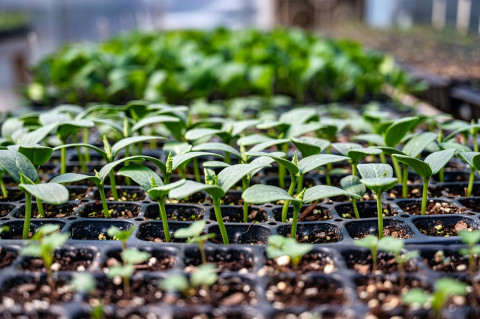
February may still feel like winter in many parts of the U.S., but for gardeners, it’s the quiet start of a brand-new growing season. This is the month to get ahead by starting seeds indoors, especially plants that take a long time to mature.
Starting seeds early gives your plants a head start. Knowing which seeds to start in February is key, because not all plants benefit from early indoor sowing.
Why February Is a Good Time to Start Seeds Indoors
Many vegetables, herbs, and flowers need several weeks, or even months, to grow before they are ready to be planted outside. If you wait until spring to sow these seeds outdoors, the plants may not mature in time, especially in cooler climates.
So, February is the perfect month to start slow-growing plants indoors. This way, they are protected from frost.
You can also start planting your seeds outside in warmer areas. However, if you live in a cooler area, then February is the best time to plant many seeds.
Check the hardiness zone where you live if you are a grower in the United States. Many Northern states have yet to begin their indoor transplants. However, most Southern states that are warmer can start now.
Best Seeds to Start Indoors in February
Below are the best seeds to start in mid to late winter.
Tomatoes
Generally speaking, start tomatoes 6 to 8 weeks before your last spring frost date.
Tomatoes need warmth to germinate, so they do best indoors near a sunny window or under grow lights. By starting tomato seeds at the right time (not too early or too late), you increase your chances of an earlier, larger harvest.
(Zones 7 to 10).
Peppers
Peppers are slow growers, making February the perfect time to start them indoors. Sweet peppers, hot peppers, and specialty varieties all benefit from early planting.
Pepper seeds can take longer to germinate than tomatoes and require warm soil temperatures. They are also slow-growing.
Starting them now gives them enough time to develop sturdy stems and healthy leaves before transplanting. You can even start them earlier than this month, if possible.
(Zones 6, 7, and 8).
Eggplant
Eggplant is another heat-loving vegetable that needs a long growing season.
As with peppers, these plants grow very slowly. So, you can start the seeds during the winter to give them some extra time.
To help them germinate, use a high-quality heating mat.
(Zones 6 to 8).
Onion Seeds
While many gardeners use onion sets, onion seeds may be started indoors as early as February. This helps to strengthen them before they are transplanted outdoors in the spring.
Depending on where you live, both short-day and long-day varieties are available. There is a wide variety of choices.
(Zones 6 to 7).
Leeks
Leeks are closely related to onions and also require a long growing season. They take over 100 days to mature.
Starting the seeds in February allows them to grow slowly and steadily indoors before transplanting. Leeks are cold-tolerant once established, so they can be moved outdoors earlier than many other crops.
Early planting helps them reach full size sooner.
(Zones 3 to 7).
Broccoli
Broccoli is a cool-season crop that grows best in mild temperatures. Therefore, February is the best time to sow broccoli seeds indoors. You can plant them outdoors as spring begins to warm up.
Broccoli is also one of the vegetables you can keep cutting through the season.
They’ll produce heads as soon as the other crops begin to sprout. Calabrese, Waltham, and Di Cicco are very popular varieties that gardeners often choose.
(Zones 7 to 10).
Cabbage
February planting allows cabbage seedlings to be ready for transplanting as soon as soil conditions allow.
Cabbage grows slowly at first, so sowing seeds early helps ensure full-sized heads before hot weather arrives. This is especially important for spring cabbage varieties.
The larger the cabbage, the longer it will take to mature.
(Zones 5, 6, and 7).
Cauliflower
Cauliflower can be tricky to grow, but starting the seeds in February improves your chances of success. Like broccoli and cabbage, cauliflower prefers cool temperatures.
In cooler temperatures, you’ll be able to get larger heads. Therefore, starting early gives them ample time to grow before warmer temperatures arrive.
(Zones 5 to 10).
Lettuce
Some lettuce varieties can be started in February, especially if you plan to transplant them outdoors in early spring.
Lettuce grows quickly and prefers cool weather, making it a good candidate for early planting.
(Zones 7 to 10).
Spinach
Spinach loves cool temperatures, so plant the seeds as soon as possible to reap the benefits for as long as possible. While it is often direct-sown outdoors, indoor starting gives you a head start in colder regions.
Once transplanted, spinach grows quickly in cool temperatures and can be harvested early in the spring.
(Zones 3 to 7).
Herb Seeds to Plant in February
Many herbs benefit from an early indoor start because they grow slowly at first.
Herbs like basil, parsley, cilantro, dill, thyme, oregano, chives, and sage do especially well when started early. This gives them ample time to develop fully before transplanting.
You can also start mint and rosemary from seed in February, though they grow a bit more slowly and require patience.
Flowers to Start in February
February is also a great time to start certain flowers indoors. Flowers such as petunias, snapdragons, pansies, and impatiens grow slowly and need extra time before blooming.
Other long-blooming flowers like sweet peas, calendula, alyssum, and violas also benefit from an early start.
Starting them now ensures they are ready to flower soon after being planted outside.
Takeaway
Starting seeds in February is one of the best ways to get ahead in the gardening season. By focusing on slow-growing vegetables, cool-season crops, herbs, and flowers, you give your garden a strong and healthy start.
With the right timing and care, seeds sown in February can lead to earlier harvests, stronger plants, and a more productive garden overall.




Add comment