

 Sasha Campbell
Cluster flies, known as attic flies, are a common household pest. They often invade homes during the cooler months, seeking warmth.
Unlike houseflies, they aren’t attracted to garbage or food. However, they can still become bothersome when they invade in large numbers.
Let’s explore natural methods for tackling cluster flies.
Identification
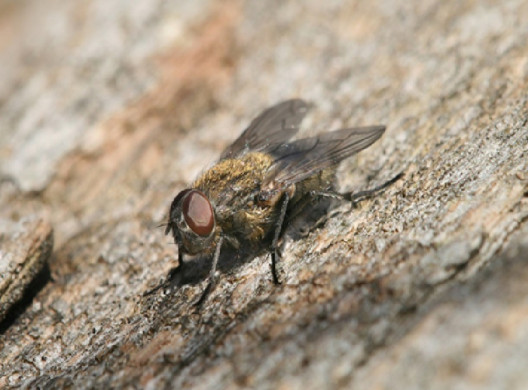
Adult cluster flies are pests that closely resemble common houseflies but behave differently [1]. They are often mistaken for regular flies but are, in fact, large, slow-moving flies that enter homes in the cooler months to hibernate.
So, unlike regular flies, cluster flies are more sluggish. However, they cluster in large numbers, particularly in attics and window areas.
What Causes Cluster Fly Infestations?
Cluster flies enter homes during late summer and fall, seeking protected places to spend the winter. They commonly enter through cracks around windows, doors, vents, siding, and rooflines.
Life Cycle
Adult cluster flies lay eggs in soil. After hatching, the larvae develop as parasites inside earthworms [2].
Once mature, they pupate in the soil and emerge as adults. Depending on climate and environmental conditions, cluster flies may produce between 1 and 4 generations each year, with warmer regions supporting more frequent reproduction.
Are Cluster Flies Harmful?
Cluster flies do not bite, sting, or spread disease. However, large infestations can become a nuisance when they gather in attics and emerge indoors during warm winter spells.
How to Get Rid of Cluster Flies Naturally
Below, we will look at home remedies and natural methods to effectively control cluster flies.
1. Install Screens and Vent Covers
Cluster flies often enter homes through attic vents, soffit vents, chimneys, and damaged window screens. They search for a warm place to spend the winter.
Installing fine-mesh screens over vents and repairing damaged screens can help block entry.
Also, inspect your home before late summer and fall, paying special attention to attic vents, roof openings, and crawl space vents. Make repairs as needed to reduce the chances of cluster flies entering your home.
This method is one of the most effective long-term ways to prevent cluster fly infestations without using pesticides.
2. Vacuuming
Another way to manage cluster flies is by vacuuming up any visible flies. Use a vacuum cleaner with a hose attachment to quickly collect them.
Make sure to empty the vacuum bag immediately after. This method will prevent any flies from escaping or returning.
3. Swat Them
If vacuuming isn’t an option, simply using a fly swatter to kill cluster flies is another straightforward approach.
Their slow movement makes it easier to swat them than regular houseflies. You can use a traditional swatter or an electric one for quicker results.
4. Use Traps or Flypaper
Large sticky traps like this one, or flypaper, are helpful tools for trapping cluster flies. Hang them near windows, in attics, or in areas like bathrooms where you see clusters.
The flies will be drawn to the light and become stuck. These traps are non-toxic and a great natural option for indoor use.
5. Diatomaceous Earth
Diatomaceous earth is a natural powder that you can sprinkle in areas where cluster flies enter or hide. It works by dehydrating the insects.
Apply it in dry areas where flies are likely to crawl or rest, such as window sills, attic edges, or entry gaps.
6. Clean Up Any Food or Garbage Lurking Around
While cluster flies are not drawn to food waste, maintaining a clean home helps reduce the presence of other insects that may be mistaken for cluster flies.
7. Sprays Containing Pyrethrins
Pyrethrins are a natural insecticide derived from some chrysanthemum flowers [3]. They are commonly used in sprays to control various garden pests, including cluster flies.
These sprays are effective because pyrethrins affect the insect’s nervous system, leading to quick knockdown and death upon contact. Pyrethrin-based sprays are widely available in garden centers and pest control stores.
8. Clean Attics and Crawl Spaces
Cluster flies often hibernate in attics, basements, and other protected spaces. Therefore, reducing clutter in attics and crawl spaces reduces sheltered resting areas where cluster flies may overwinter.
9. Seal All Openings to Your Home
The best way to prevent cluster flies from entering is to seal potential entry points. Check your home for cracks and gaps around windows, doors, or rooflines, and seal them.
10. Vinegar and Dish Soap
You can also make a simple DIY trap using apple cider vinegar and dish soap.
Although not as effective against cluster flies as fruit flies, vinegar traps may catch some wandering adults indoors.
Therefore, fill a shallow dish with apple cider vinegar and a few drops of dish soap. Mix it up so the liquid soap spreads out evenly.
Finally, place the solution near where you see flies.
11. Essential Oils
Some homeowners report that strong-smelling essential oils such as peppermint, eucalyptus, and lavender may help discourage flies from landing in treated areas.
Therefore, mix a few drops of essential oil with water in a spray bottle.
Apply this homemade cluster fly spray to the entry points of your home. You can also spray it on countertops or surfaces where the flies may land.
You can also use essential oil diffusers to help keep flies away.
12. Essentria® IC Pro
Essentria® IC Pro is a plant-based insecticide. It contains botanical oils such as clove oil and geraniol that help repel and control insects.
It’s an excellent choice for anyone wanting an eco-friendly product. It is also a good option for indoor use.
Spray it around areas where flies gather to help keep them at bay.
FAQ
Do cluster flies bite people?
No. Cluster flies do not bite humans or pets.
Why do cluster flies suddenly appear in winter?
They often emerge from attics and wall voids on warm, sunny days after spending weeks or months overwintering inside.
Do cluster flies lay eggs inside houses?
No. Cluster flies typically lay their eggs outdoors in soil where their larvae develop inside earthworms.
How do cluster flies get into the house?
They enter through small cracks and openings in late summer and fall while searching for sheltered overwintering sites.
What is the fastest way to remove cluster flies indoors?
Vacuuming is usually the quickest and cleanest method for removing large numbers of cluster flies inside a home.
Do cluster flies go away on their own?
Yes. They often become active during warm winter days, but will die off or remain hidden until spring, when they return outdoors.
Why do cluster flies come back every year?
Cluster flies return each year because they overwinter in protected spaces like attics and wall voids. Then, as temperatures warm, they become active again.
Takeaway
Dealing with cluster flies can be frustrating. But with natural solutions like those above, you can manage and prevent them from making your home their winter hideout.
Prevention is most effective in late summer before cluster flies begin entering buildings for overwintering.




Add comment