

 Sasha Campbell
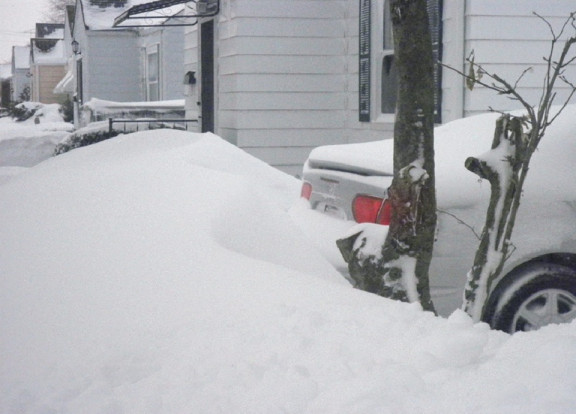
Winter ice can turn driveways, sidewalks, and steps into slip-and-slide hazards. Left alone, snow ice can linger overnight, grow thicker, and become harder to remove without the right approach.
Knowing how to deal with it safely and effectively can save you time and money and reduce the risk of slips and falls. With the right methods, you can tackle snow and ice and keep your outdoor spaces safer.
Below is a list of practical, human-tested methods that really work.
1. Hot Water
Snow ice forms when cold surfaces keep water frozen solid, especially in shaded areas that never see sunlight. Hot water works because it introduces immediate heat, forcing the ice to melt on contact.
The fix is pouring hot, not boiling, water directly onto the ice to loosen it. This method works best when followed by shoveling or scraping before the water refreezes.
Used correctly, this DIY approach works well for small patches of ice on steps or walkways.
2. Snow Blower
Ice often builds up because snow isn’t removed early enough. When snow sits and gets packed down, it can turn into ice that’s much harder to deal with later [1].
A snow blower prevents this problem in a winter storm by removing snow before it has a chance to compact and refreeze. The fix here is prevention.
Using a snow blower soon after snowfall helps keep surfaces clear and reduces the conditions that lead to ice formation.
3. Snow-Melt Mats
Snow-melt mats work by providing gentle, consistent heat that melts away snow and ice.
The fix is placing these mats in high-risk areas before storms hit. They warm the surface just enough to stop ice from bonding.
While they require electricity, they offer a low-effort way to deal with ice outdoors. For people tired of constant shoveling, this method works perfectly.
Additionally, snow melt mats will not damage concrete. They are also among the best ways to remove snow and ice without using salt.
4. Scraping It With a Shovel
Scraping works by breaking compacted snow and ice and separating them from the ground.
The fix is to use a sturdy shovel or an ice scraper with a flat edge to chip away at the ice. This method works best after slightly warmer temperatures or when combined with hot water to loosen the ice first.
It also gives you immediate control over stubborn patches.
5. Water
Plain water also works well as a home remedy for melting ice. The fix involves pouring water during warmer parts of the day to melt the ice, then pushing it away before it refreezes.
This method relies on timing and temperature awareness. It’s a simple approach that can work for minor ice buildup.
However, it’s not ideal for deep freezes unless paired with scraping.
6. Wood Ash
Fireplace ash is also a good ice-melting agent [2]. It contains potassium, which slowly melts ice.
It also provides traction on slick, slippery ice. However, ash can be messy, so those who prefer clean floors will not like this remedy.
7. Rubbing Alcohol and Dish Soap
You can also use rubbing alcohol to make a homemade de-icer. The fix is to mix rubbing alcohol with water and a small amount of dish soap, then pour or spray it onto icy areas.
A cost-effective recipe is to pour 16 ounces of white rubbing alcohol into 4 gallons of water. Add a teaspoon of liquid dish soap as well.
Mix well and use it as needed. This homemade treatment is especially useful for spot treatments on steps, driveway, or doorways.
You can also use it to spray your car’s windshield.
8. Coffee Grounds
Coffee grounds absorb sunlight and generate slight warmth, which can help speed up melting.
The fix is spreading used coffee grounds over icy patches to darken the surface and increase heat absorption. They also work as a traction aid on icy surfaces, reducing slips.
While this method isn’t the fastest, it’s a clever DIY option that works best during the day when sunlight is available.
9. Vinegar
Vinegar contains acetic acid, which helps break up the makeup of snow and ice. The fix involves combining equal parts vinegar and hot water, and then pouring the solution directly onto icy areas.
10. Baking Soda
Baking soda also works as a de-icing agent for your home, as long as temperatures do not fall below freezing.
Just mix half a cup of baking soda with a gallon of water, then apply it to sidewalks, pathways, and so on. It is also a pet-friendly solution.
11. Sand
Sand doesn’t actually melt ice. However, it solves the most dangerous part of the problem by providing traction.
As a result of friction, a thin layer of water forms on top of the snow ice. This thin layer of water on top of the ice is the cause of the slippery surface.
The natural fix here is spreading sand over icy areas to create grip. Sand works especially well on steps, sidewalks, and driveways where you need immediate stability.
While it won’t remove the ice, it makes surfaces safer and helps prevent slips and falls.
Why We Do Not Recommend Salt
Spreading salt over ice softens it and breaks it apart, helping it melt snow and ice quickly [3]. However, while it speeds ice melting, it can also damage grass, corrode metal, and irritate pets’ paws.
Takeaway
Getting rid of snow ice doesn’t have to mean exhausting yourself or hiring a professional every winter. The list above provides simple home remedies for removing ice or preventing its buildup.
By choosing the right method for your situation, you can keep your walkways safe and manageable.
Picture via commons.wikimedia.org
See also: How to Protect Plants from Cold Weather.




Add comment