

 Sasha Campbell
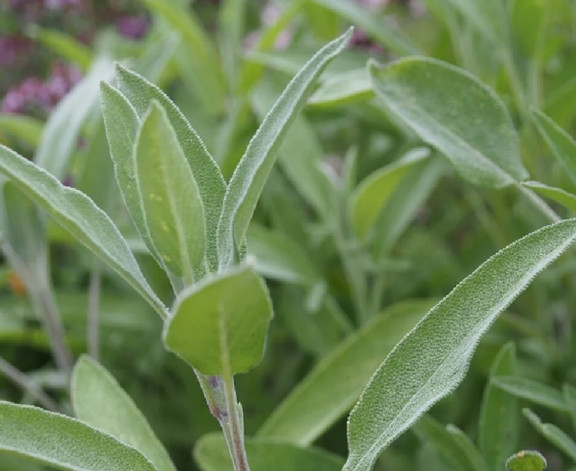
Sage grows well alongside certain other plants. As you plan your garden this season, consider adding vegetables, herbs, and even flowers that may serve as sage companions.
Good Companion Plants for Sage
Some of the best companions for sage are:
- Catnip. If you have an outdoor cat, catnip’s intoxicating fragrance will drive it wild—and away from your sage!
- Rosemary. Another aromatic herb, rosemary’s piney scent blends nicely with sage. Both plants also enjoy similar growing conditions. Besides, both are deer-resistant herbs, so planting them together creates an attractive barrier.
- Sunflowers. Cheerful sunflowers make a stunning backdrop for sage. Their tall stems and huge flower heads contrast beautifully with the sage’s bushy form. Sunflowers also provide shade for young sage plants.
- Lavender. This fragrant herb has soft purple flowers that pair perfectly with sage’s silvery foliage. Plus, lavender attracts pollinators like bees and butterflies, which also help the sage.
- Marigolds. Bright marigolds deter many common garden insects with their pungent scent. Therefore, planting marigolds alongside sage helps protect it. Marigolds naturally repel pests like spider mites and slugs.
- Beans and peas. Legumes, on the whole, help enrich the soil. They capture atmospheric nitrogen and deposit it into the soil for other plants to benefit from.
- Tomatoes benefit from having sage around. Sage is a good repellent for flea beetles, pests that plague tomatoes.
You can always feel safe grouping sage with Mediterranean herbs like rosemary, oregano, and thyme. They have similar light and water needs, and their flavors complement each other nicely.
Brassicas, carrots, nasturtiums, celery, phlox, strawberries, lovage, and lemon balm also make good companions.
What Not to Plant with Sage
Sage has some particular companions it prefers in the garden and some it would rather do without.
For starters, avoid planting it near alliums. Plants like onions, garlic, and shallots can damage the root systems of your sage plants. Plus, they have different growing requirements.
Also, steer clear of cucumbers since sage may stunt their growth. Other bad companions include basil, fennel, rue, and wormwood.
How to Grow Sage
To grow sage successfully, plant it in a spot with well-drained, fertile soil and full sun exposure for at least 6 to 8 hours a day. Sage thrives in warmer climates.
Also, space sage plants 18 to 24 inches apart.
Watering
Water regularly, especially for the first few months after planting. Once established, sage is drought-tolerant but still requires occasional watering. Never leave the soil soggy, as this can cause root rot.
Fertilizer Requirements
This plant needs little fertilizer to grow. However, for the best results, add nutrients during the growing season.
From spring through summer, when your sage is actively growing, fertilize the plant every few weeks. Look for a formula with an NPK ratio of 10-6-4.
In the fall, when growth slows, cut back on feeding. There’s no need to fertilize at all in early winter.
Garden Pests
Keep an eye out for these unwanted visitors in your sage patch.
Spider mites can spin webs on the undersides of leaves and feed on sage leaves, causing stippling damage [1]. Slugs and caterpillars can also damage leaves.
Check your sage often for signs of pests. This way, you can spot problems early and act quickly to protect your plants.
Plant Diseases
Sage can also be susceptible to a few diseases that may affect its health and growth. As with any plant, it’s best to prevent disease rather than try to cure it after the fact.
Be on the lookout for powdery mildew, rust, and root rot. Fungal leaf spot disease can also be a problem.
Harvesting Sage
When the sage has fully formed leaves, it’s time to harvest. The leaves are most potent before the plant blooms.
To harvest sage, use pruning shears or scissors to cut the stems of healthy leaves.
Also, cut the top few inches of growth, leaving some foliage on the plant. This will allow it to continue growing and producing leaves.
Storing
Once your sage has finished growing for the season, it’s important to properly store the herb to enjoy its flavor and aroma all year round.
After the plant has flowered and the leaves are fully grown, cut the stems 6 to 8 inches long.
Next, bundle 4 to 6 stems together and hang them upside down in a warm, dry, airy place away from direct sunlight. Leave for 1 to 2 weeks until the leaves are crumbly.
You can also rinse fresh sage leaves and pat them dry with a towel. Next, pack the leaves into an airtight plastic freezer bag or container.
Frozen sage will last up to a year. Simply add the frozen leaves directly to dishes while cooking.
Moreover, you can pack clean sage leaves into sterilized jars and cover them with olive oil. Seal the jars and refrigerate them. Use them within 3 weeks.
Where to Buy Seeds
Once you’ve decided to grow sage in your garden, the next step is finding sage seeds or starter plants. You may also want to find quality seeds for your companion plants.
For a wider selection, order seeds from an online seed company or through mail-order catalogs. You can find heirloom and organic seeds at several online stores, like Burpee, SeedsNow, and Amazon.
Takeaway
So there you have it: some of the best companion plants for sage in your garden. By pairing sage with plants that enhance its growth and ward off pests, you’ll have a thriving herb garden in no time.
And don’t forget, your garden’s ecosystem is delicate. So choosing companion plants that work in harmony will make your gardening experience much more rewarding.


Add comment