

 Sasha Campbell
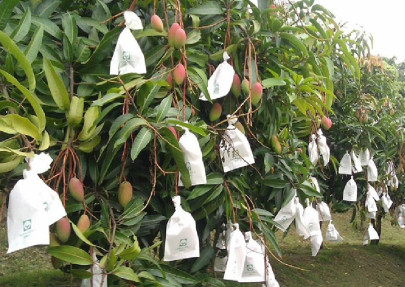
In horticulture, fruit bagging is a popular method for protecting young fruits. It helps keep them safe from pests, diseases, and environmental damage.
This technique involves encasing individual fruits in protective bags. It has gained traction among gardeners and farmers seeking to optimize crop quality and yield.
In this article, we delve into the world of fruit bagging.
We’ll explore the essential aspects of it. This includes its main benefits, materials, method, and the pests it protects against.
Benefits of Fruit Bagging on Trees
The practice of bagging fruits offers a myriad of benefits. This applies to both the fruits themselves and the growers who cultivate them.
Below, we’ll look at the advantages of using the fruit bagging technique:
1. Pest and Disease Protection
By enclosing fruits in bags, growers create a barrier that helps keep insects, birds, and pathogens away.
2. Improved Fruit Quality
Bagged fruits are also less prone to blemishes, scars, and deformities. This results in higher-quality produce that commands better prices in the market.
3. Reduced Chemical Use
Fruit bagging also reduces the reliance on chemical pesticides and fungicides. This promotes environmentally friendly farming practices.
4. Enhanced Appearance
Bagging also enhances the visual appeal and marketability of fruits [1].
5. Extended Shelf Life
In addition, fruit protection bags prolong the shelf life of certain fruits, such as mangoes, reducing post-harvest losses [2].
Fruit Bagging Materials
Selecting the right materials is crucial for successful fruit bagging. Here are some commonly used options:
Paper Bags
Paper bags are a traditional choice for fruit bagging due to their affordability and breathability.
They allow air and sunlight to penetrate. This is all while providing protection against pests and environmental factors.
Nylon Bags
Nylon bags also offer durability and flexibility. This makes them suitable for a variety of fruit types. They provide excellent protection against pests.
They can also withstand adverse weather conditions.
Organza Bags
These bags combine breathability and protection.
They prevent pests like birds, wasps, and slugs from accessing fruits. This protection ensures good airflow and sunlight. Both are key to healthy growth.
Plastic Bags
Some fruits also do well in plastic bags, while others require something breathable.
Many gardeners use zip-lock plastic bags as a barrier against insects and diseases. However, it’s not recommended to use them on stone fruits like plums and peaches.
What Kind of Fruit Needs Bagging?
This technique primarily targets fruits that are at risk of damage from insects, birds, diseases, sunburn, and adverse weather conditions.
Some common fruits that benefit from bagging include:
Apples and Pears: Bagging apples and pears can help prevent damage from pests such as codling moths, apple aphids, and birds [3].
Grapes: Bagging grape clusters shields them from bird pecks, sunburn, and fungal infections.
Peaches and Nectarines: Insects and birds often target these fruits. This makes them ideal candidates for protective bagging to keep them safe.
Persimmons: Bagging persimmons prevents insect infestations and fungal diseases. This helps preserve the fruit’s appearance and taste.
Citrus Fruits: Young citrus fruits can also benefit from bagging. It protects them from pests and sunburn.
Other fruits for which bagging works well include mango, guava, melon, and strawberries.
How to Do Fruit Bagging
While the concept of bagging fruits on trees is simple, its execution requires attention to detail and precision.
Here’s a step-by-step guide to effective fruit bagging:
1. Timing is Key
Bag fruits when they are small and still developing. This will ensure proper coverage and protection throughout the growing season.
2. Select Appropriate Bags
Choose lightweight, breathable bags. This design lets air and sunlight in while keeping your items safe.
Nylon or paper bags are commonly used for fruit bagging.
3. Inspect the Fruits
Ensure the fruits are free of damage or blemishes before bagging.
4. Place the Bags
Gently place the bag over the fruit, making sure it covers the entire fruit.
5. Secure the Bags
Next, gently place the bag over the fruit, ensuring that it is fully enclosed and sealed to prevent pests from entering.
Also, use twist ties or strings to secure the bag well so that small pests like earwigs can’t get in.
6. Monitor Regularly
Check the bags periodically for signs of damage, pest infestation, or disease development. Also, remove any damaged or diseased fruits promptly to prevent the spread of pathogens.
Replace damaged bags as needed to maintain optimal protection.
7. Remove the Bags at the Right Time
To get the fullest color, it is best to remove bags at least two weeks before harvest.
8. Harvest with Care
Handle the harvested fruits with care to preserve their quality.
Pests that Fruit Bagging Protects Against
Fruit bagging is a formidable defense against a variety of pests that threaten fruit crops. Some common pests that this method protects against include:
Insects
Fruit bags create a physical barrier that prevents certain insects from accessing the fruits.
Some pests to watch out for include fruit flies, San Jose scale, codling moths, stink bugs, rosy apple aphids, and other insects. These pests can cause significant damage to fruits.
They’ll lay eggs and/or feed on the flesh of the fruits.
Birds
Some birds are notorious for pecking at ripe fruits. This behavior causes unsightly damage and reduces the overall yield.
Fruit bags effectively deter birds from accessing the fruits. This preserves the fruits’ appearance and quality.
Disadvantages
While fruit bagging is widely adopted to protect fruits, it also has disadvantages.
One notable drawback is the process’s labor-intensive nature, especially for large-scale operations.
Bagging each individual fruit requires time and effort. This can increase production costs and labor expenses.
Also, improper bagging techniques or inadequate monitoring can lead to several issues. These issues include fruit rot, mold growth, and restricted airflow. This may compromise the quality and yield of the harvest.
Takeaway
Fruit bagging is a valuable agricultural practice to consider. The pros outweigh the cons. It offers growers an effective way to protect their harvest from a wide range of pests.
By utilizing the right materials and methods, growers can ensure the health and quality of their fruits. This leads to a more bountiful and successful harvest.


Add comment