


 Andre Campbell
Companion planting is a great way to optimize your garden’s space, attract beneficial insects, and more. Parsley is a common garden herb, but does that mean it can be planted with anything?
The answer is no. In this article, we’ll review the best and worst companions for parsley so that you can make an informed decision when planning your garden.
Good Companion Plants for Parsley
When it comes to companions for parsley, there are a few plants that stand out as especially good choices. Here are some of the best ones:
- Tomatoes
- Roses
- Asparagus
- Peppers
- Chives
- Kale
- Cabbage
- Pear trees
- Broccoli
- Corn
- Apple trees
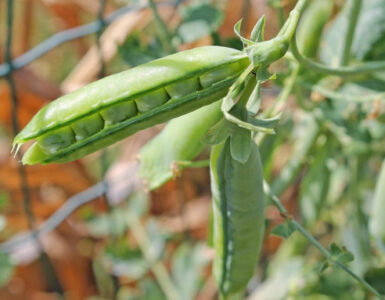
- Beans
- Basil
- Marigolds
What Not to Plant with Parsley
When planting parsley, it’s also important to know which plants make not-so-good companions. While some vegetables and herbs grow well with parsley, planting others too close to it can stunt its growth, among other things.
Below are examples of bad companions for parsley. Of course, there are others, but these are among the worst ones.
- Shallots
- Carrots
- Mint
- Lettuce
- Fennel
- Garlic
- Thyme
- Onions
- Dill
How to Grow Parsley
This easy-to-grow herb makes the perfect choice for beginner gardeners. To get it started, you’ll need to sow the seeds about ¼ inch deep into evenly moist soil.
For better germination rates, mix in a bit of aged compost or peat moss.
Once your plants are about six inches tall and have ample leaves, you can start harvesting by snipping off a few of the outer leafy stems of each plant. This will also encourage your plants to become bushier.
You can harvest this herb repeatedly throughout the season.
Fertilizer Requirements
When growing parsley, you should know that it prefers well-drained, rich soil and a moderate amount of fertilizer.
To ensure the plant gets the nutrients it needs, consider adding organic fertilizer to the soil before planting. This way, you’re giving the plants a boost right off the bat.
You should also consider adding a nitrogen-rich fertilizer once or twice during the growing season. This will ensure that your plant has access to all the nutrients it needs during its active growth period.
Garden Pests
Garden pests can be a real nuisance.
Parsley is prone to attack by several common garden pests, including aphids, armyworms, and cabbage loopers [1]. Therefore, be on the lookout for them and incorporate natural pest control measures if you come across any of these pests.
Plant Diseases
You should also consider plant diseases that could be harmful. Plant diseases can be caused by fungi, bacteria, and viruses, among other things, and can be very damaging to your plants if the conditions are right.
Examples of plant diseases that can affect parsley include leaf spot, powdery mildew, damping off, and Alternaria leaf blight [2].
To keep your parsley healthy, it’s essential to take preventive measures, like avoiding contaminated soil. This helps prevent disease and ensures robust growth.
Also, researching these plant diseases will be helpful if treatment is needed.
How to Harvest
Now let’s talk about harvesting this super herb!
Harvesting parsley at the right time is key to getting the most flavor. Harvest it when the leaves are green and fresh and before the flowers start blooming.
Also, be sure not to pull out the entire plant—just grab a few outer leafy stems and use clean kitchen shears.
This will give your parsley time to regrow for a few more harvests throughout its growing season.
How to Store
You will also have to find ways of storing parsley so that you can use it over several months without needing to wait for new plants to mature. And luckily, there are various methods for doing this.
One is to place the herb in water. This is where you cut off the bottom leaves of the plants, bundle them by stem, and place them in a jar with 1 inch of water. Next, place a loose plastic bag over the jar and refrigerate it.
Another method is to freeze them. After the leaves have been cut, place them in a freezer-safe bag or an airtight container. Then slide the bags into the freezer.
You can also create a block of parsley by rolling the leaves together into a log. This will allow you to slice it with a knife whenever needed.
You can also dehydrate your parsley by placing washed leaves on trays in a food dehydrator. Or place them on baking sheets and bake at no higher than 170°F.
Once they’re crispy and dried (it could take 1 to 2 hours), you’ll be able to store them for up to 3 years!
Where to Buy Seeds
Once you’ve decided what type of environment you live in, it’s time to purchase your seeds. Look for reputable sellers online, and check reviews from previous customers. This will help you make informed purchases.
Additionally, try to buy organic or heirloom seeds, as they are free of pesticides and other harmful chemicals.
A good site that we recommend is SeedsNow. They sell high-quality organic seeds.
Takeaway
In the end, companion planting is an incredibly useful practice for improving the overall health of your garden.
Consider the benefits before you plant. Choose plants that provide benefits for your parsley, like protection from pests and improved flavor and growth.
With the right combination, your parsley will be healthy and delicious.

 Sasha Campbell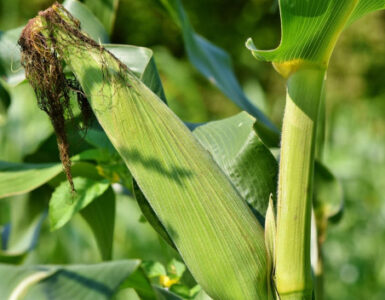



Add comment